




The University of Manitoba is investing in innovative approaches to teaching and learning through the 2026 Scholarship of Teaching and Learning (SoTL) Support Fund. Ten projects have been awarded funding, spanning education, health sciences, engineering, science, music, art and kinesiology.
Administered by the Office of the Provost and Vice-President (Academic), the SoTL Support Fund enables UM educators to investigate how teaching practices influence student learning and success.
This year, the fund awarded one Major Project grant and nine Seed Project grants, which support innovative, time-limited teaching and learning research ideas. Together, the recipients are generating knowledge that can enhance educational experiences across various disciplines.
Major Project
Funding up to $25,000 in support of a larger-scale interdisciplinary SoTL research project
Enhancing point-of-care ultrasound education for medical students
Project Lead: Dr. Terry Li, Max Rady College of Medicine
Point-of-care ultrasound (POCUS) is an increasingly important clinical tool that enables physicians to capture real-time images at the bedside, supporting faster and more informed clinical decision-making. The Rady Faculty of Health Sciences recently expanded access to the technology by purchasing 80 handheld ultrasound probes for student use.
Despite POCUS' growing importance in patient care, integrating it into undergraduate medical education has been challenging due to limited access to equipment, instructional time and trained instructors. With support from the SoTL Support Fund, Li will lead a project to strengthen POCUS training for undergraduate medical students and help integrate the technology more effectively into the curriculum.
For Li, the funding has been critical not only in supporting the research itself, but also in strengthening the project's design and interdisciplinary approach. "Educational research can be costly, especially with a heavy involvement of technology and research personnel," says Li. "At the same time, funding for this type of research is sparse and inadequate at the provincial and national levels. The UM SoTL Support Fund not only funds my equipment acquisition and personnel hiring, it also encouraged me to engage and collaborate with researchers outside my faculty."
The project will focus on three areas: developing evidence-based learning resources, creating a standardized assessment tool and identifying effective teaching approaches.
Using eye-tracking technology, Li's team will study how POCUS experts perform ultrasound examinations and apply those insights to the development of instructional materials for medical students. The researchers will also create an objective structured clinical examination to assess student competency using the new probes. In addition, the team will conduct a randomized study comparing the newly developed self-guided learning materials with traditional instructor-led instruction.
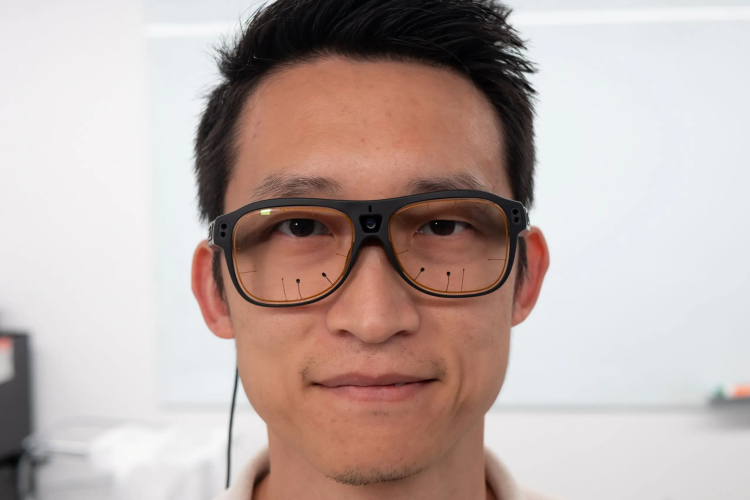
The videos and learning strategies developed through this study will help medical students build foundational POCUS skills early and advance their learning more efficiently as they progress through their training.
Together, Li said this research will provide evidence to guide the integration of POCUS into the UM's medical curriculum, helping students build confidence and competency in using the new ultrasound technology. The findings will also contribute to advancing POCUS education and supporting best practices in medical training beyond UM.


