



While there is a lot of focus right now in Ontario on attendance rules, testing and scores, York University Faculty of Education Interim Dean and Professor Sarah Barrett says that none of this will work without a focus on what is core to teaching, which is relationships.
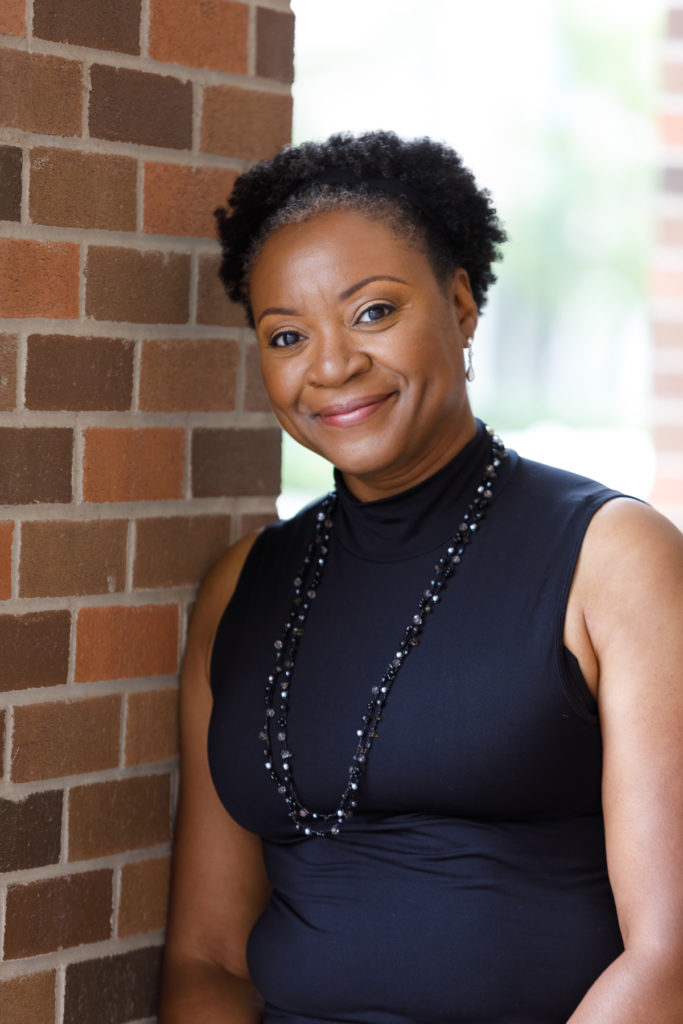
Faculty of Education Interim Dean Sarah Barrett
How fundamental this is was made especially clear during the COVID-19 pandemic, when relationships between teachers, students, parents and even the government were particularly strained, a topic Barrett explores in her book After the Before Times: Teachers' Experiences of Pandemic Pedagogy. Available open-access online as a free PDF download, Barrett interviews 50 teachers and surveys hundreds more for the book. What emerges are stories where remote learning became a disembodied experience that weakened peer and teacher-student bonds, further marginalizing students who may have already felt like they didn't belong, says Barrett.
"When relationships break down, that's when students have major attendance issues. If it's not about health, or being a high-performing athlete, it's about being bullied, feeling like teachers don't care or parents feeling like their child is not being seen," says Barrett. "Recent government changes can be beneficial, but none of them will work for the most vulnerable students unless we prioritize and protect relationships in schools."
Barrett is available to talk to media about:
- Why strong relationships are a core need of teaching
- Why students who struggle the most in classrooms are the most affected when relationships break down
- The importance of in-person connections in classrooms to build relationships and community
- How policies regarding classroom size, testing and more can either help or hinder teachers looking to build strong relationships in the classroom and beyond
- Relational struggles in classrooms during the COVID-19 pandemic and lessons for contemporary pedagogy
More Faculty of Education experts can be found here.


