


Rainbow Schools are being challenged to use less electricity throughout February as staff and students continue to focus on climate change.
This month's environmental challenge will kicked off with Bundle Up Day on Thursday, February 5, 2026. Schools turned down the heat and invited staff, students and visitors to wear a warm sweater, hoodie, poncho or alternative for students with sensory needs.
An energy footprint measures the amount of energy consumed to produce the goods or services we use. Knowing and understanding our consumption can inspire sustainable actions and determine if those actions are making a difference.
To prepare, schools were given five years of data on electricity consumption to calculate and measure their average use. Prizes will be awarded to the top three elementary and secondary schools who achieve the greatest overall energy savings.
"The goal of the challenge is to encourage sustainable practices," says Rainbow District School Board Director of Education, Bruce Bourget. "We want students to be aware of the electricity they consume, and to find ways to reduce their consumption at school, at home and in the community."
Schools can reduce their energy use by turning off lights during class time or lunches, unplugging electronics when not in use, and using a timer to charge electronic devices.
Schools may also learn more about a critical piece of local history through VETAC - Greater Sudbury's Regreening Program. Through the program, students will better understand the history of our region and may be inspired to become caretakers of the land they call home.
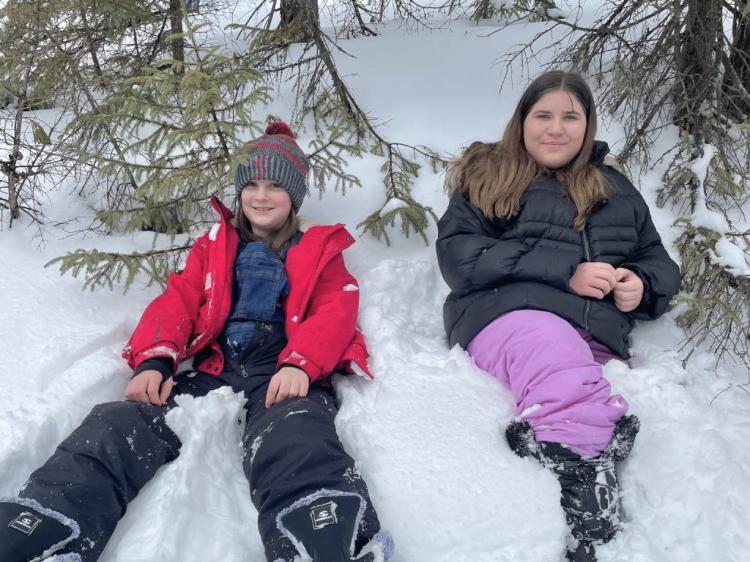
To help reduce energy consumption and stay connected to Mother Nature, staff and students are also welcome to participate in Winter Walk Day on Wednesday, February 25th.
From an Indigenous perspective, organic matter from trees - the largest plants in the world - were the main source of energy for our ancestors. Trees were burned for heat, used to feed animals, and were also cleared to make room to grow gardens and crops.
To speed up production, over time, trees were replaced with non-renewable energy sources including nuclear, coal and petroleum.
In the name of progress, the importance of being grateful for the gifts provided by Mother Earth Shkagamikwe has been forgotten.
Nature has sustained our existence, and, as noted in Robin Wall Kimmerer's book "Braiding Sweetgrass: Indigenous Wisdom, Scientific Knowledge, and the Teachings of Plants", it's time to push beyond gratitude and encourage cultural reciprocity - to receive a gift, to be grateful, and then to give back - to help us appreciate the interconnectedness of life.
To inspire positive thoughts and actions, and to help guide student learning, classes are encouraged to hear from an Indigenous Knowledge Keeper.
For the challenge, schools were given resources, including a story from Indigenous Knowledge Keeper Isaac Murdoch about restoring balance with the land, and how the teachings of the Medicine Wheel's four directions guide Indigenous traditions and practices.
What will next month's challenge be?