The University of Manitoba (UM) has recorded the highest not-for-profit research funding in its history and major increases in corporate partnerships, according to the newly released rankings from Canada's Top 50 Research Universities 2025.
"Faculty have rallied around a new Strategic Research Plan that is based in part on diversification of funding sources," said Mario Pinto, Vice-President (Research and International).

Dr. Mario Pinto, Vice-President Research and International
In 2023-24, UM received $96 million in research dollars from not-for-profit organizations, an increase of 39 per cent. Highlights included significant investments from the Bill & Melinda Gates Foundation to expand maternal and child health services in Africa, and Genome Canada to conduct the largest-ever genomics study in Manitoba to detect and treat chronic and genetic diseases.
UM also ranked second nationally in annual increases in partnerships with industry. Corporate research income increased by 45 per cent to $37 million. Key highlights included new and expanded investments from Magellan Aerospace to build cutting-edge satellites, and partnerships with Bunge and Nutrien Ag Solutions to develop disease-resistant, high-yielding oilseed varieties that Canadian farmers grow each year.
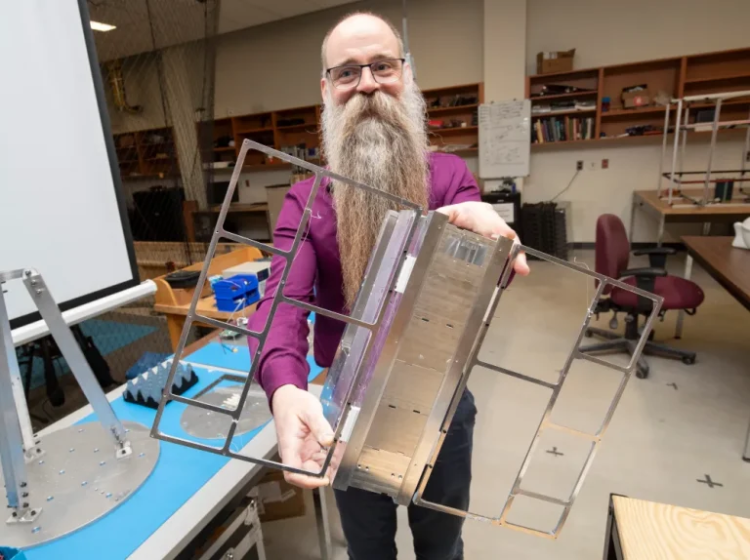
Dr. Phil Ferguson, Associate Professor of Mechanical Engineering
"These results highlight a major shift in how organizations are turning to UM researchers to help solve urgent challenges," said Mario Pinto, Vice-President (Research and International). "Despite an increasingly challenging funding environment, it's great to see revenue grow from non-government sources, a clear signal that our researchers are creating knowledge and innovation that matters."
In total, UM recorded $246 million in total research income in 2024 and moved from 14 to the 13th-ranked research university in Canada. Every year, the dynamic impacts of research at UM have a large impact on Manitoba's economy an estimated $3 billion.
Research at the University of Manitoba is partially supported by funding from the Government of Canada Research Support Fund.