Like the farmers and ranchers she works with as a bovine veterinary epidemiologist, she takes pride in the health and well-being of the animals, as well as the people who care for them.
It's a mindset Orsel, DVM, PhD, also imparts on her students in the University of Calgary's Faculty of Veterinary Medicine (UCVM).
A professor in epidemiology and bovine health management, and chair of UCVM's Cattle Health Research Group, she says lives and livelihoods are at stake with every decision made.
Trust is of the utmost importance for everyone involved because, if broken, an entire industry can grind to a halt, as witnessed by situations like the bovine spongiform encephalopathy (BSE) crisis of 2003. Better known as mad cow disease, the finding in an Alberta cow sparked an immediate ban on Canadian beef imports by dozens of countries and devastated the beef industry.
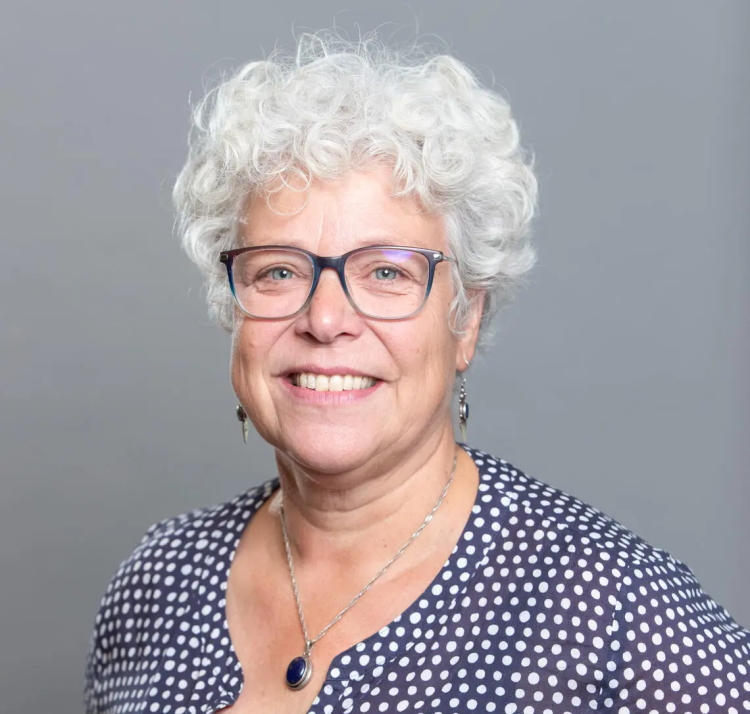
Karin Orsel. Photo Courtesy Faculty of Veterinary Medicine
"Within a second, your cattle operations or your beef practice is worth nothing," says Orsel. "Your producers have no way of moving any animals across borders."
She says the industry is in a much better place than it was more than 20 years ago, thanks in large part to the education and research provided at UCVM.
Emphasis on applied learning
One of the biggest gaps exposed during the BSE crisis was the need for more skilled veterinary professionals focused on large-animal practice.
Launched in 2005, UCVM put a heavy focus on integrated clinical training by partnering with private practices and organizations.
Among the highlights has been the transformative donation of W.A. Ranches by J.C. (Jack) Anderson and his daughter, Wynne Chisholm, BA'79, allowing for new teaching and learning, research and community engagement in a unique working-ranch setting.
As Alberta's only veterinary school, new opportunities like these have allowed young professionals to learn and develop, while giving industry a nearby resource to help in any situation, including disease control and access to diagnostics.
"We have recurring events that people start to pull together and say, It's a different disease, but we're dealing with the same kind of thing,'" says Orsel. "We're dealing with controlling a disease that goes beyond the individual farm, and we know how to respond."
She says developing systems to get people involved faster to mitigate or eliminate risks has allowed for the pendulum to eventually start swinging from reactive to proactive responses.
Getting buy-in from producers
During the BSE crisis, then-Alberta Premier Ralph Klein famously stated, "I guess any self-respecting rancher would have shot, shovelled and shut up, but he didn't do that," in reference to the producer who discovered the first isolated BSE case.
His spokespeople later said Klein meant it in an ironic or almost sarcastic way, but it gave the impression that ranchers didn't care about the health of their herds.
However, the opposite is true, according to Dr. Michael Jelinski, DVM, a managing partner with Veterinary Agri-Health Services.
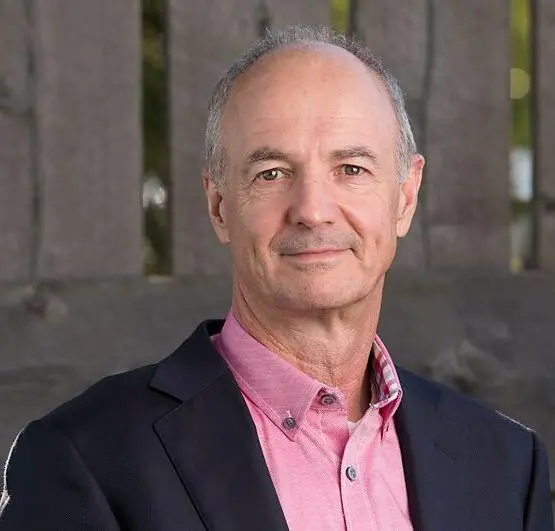
Michael Jelinski. Photo Courtesy Michael Jelinski
"BSE was devastating, particularly in Alberta because of our large cattle population," he says.
"People became very aware of the impact of foreign animal disease and the drastic effect it can have on trade. We're an exporting country as our beef industry is far bigger than what we can consume and, without those markets, we're in big trouble."
Jelinski's feedlot and cow-calf consulting practice has a long history of working with UCVM, which he says has become an integral part of the cattle industry and will continue to play an important role in teaching, research and extension for years to come.
Addressing change in agriculture
Like many facets of society, the technological evolution is playing a very important role in how the cattle industry conducts its business.
From biosensors keeping track of animal health to GPS locators, it's a new world for many producers compared to what they had even a couple of decades ago.
Orsel says UCVM is always on top of each new innovation, as everyone in the industry looks to them for guidance on how to make it fit in their respective operations.
"I think what excites me the most is the willingness of the industry to change," she says. "I see a lot of people that understand their responsibility in creating sustainable agriculture, which they are already amazing role models in when it comes to their stewardship of animals and the land."
Orsel says another key element of the teachings at UCVM focuses on professional skills including mental health, as being involved in agriculture can take its toll, emotionally and financially.
"On one hand, the producer is your client, and you often have a very good and often personal relationship with that client," she says. "However, you're also the police, right? You're also the person that might have to share bad news that impacts the lives of animals and humans."
Expanding UCVM's footprint
To meet the growing need for veterinary expertise in Alberta and around the world, UCVM has doubled its annual intake of undergraduate students from 50 to 100.
Jelinski appreciates everyone's work, including Dean Renate Weller, DVM, PhD, in being committed to what industry needs, ranging from people power to diagnostic tools.
"The biggest question I always get from the UCVM is, What do your clients want us to help solve?'" he says. "It's gratifying that they come to us and ask, then work at finding solutions."
Jelinski says it's important for future students to think about how they can serve their community for a variety of animals, including companion animals, poultry and livestock.
The good news, according to Orsel, is that nearly 71 per cent of grads work in Alberta, with many returning to their rural hometowns to help the people they know and love.
"That means that we need specialists in all kinds of areas as well as those veterinarians who are willing to take on a mixed-animal practice," she says. "They can see a cow in the morning, a horse in the afternoon and maybe your dog in the evening."
With a variety of career options in veterinary medicine, Orsel says the opportunities are endless for current and future students to serve their own happy places.
About UCalgary60
In just six decades, the University of Calgary has grown into one of Canada's top research universities a community defined by bold ambition, entrepreneurial spirit and global impact. As we celebrate our 60th anniversary, we're honouring the people and stories that have shaped our past while looking ahead to an even more innovative future. UCalgary60 is about celebrating momentum, strengthening connections with our community and building excitement for what's next.