


Short noses and flat faces might make for adorable pugs, but the health issues that result from them are far from cute.
A new clinical trial at the Ontario Veterinary College (OVC) is focusing on the success of a surgical procedure for brachycephalic dogs - breeds with short, flat-faced skulls, including pugs and French bulldogs, which have grown to become one of the most popular breeds.
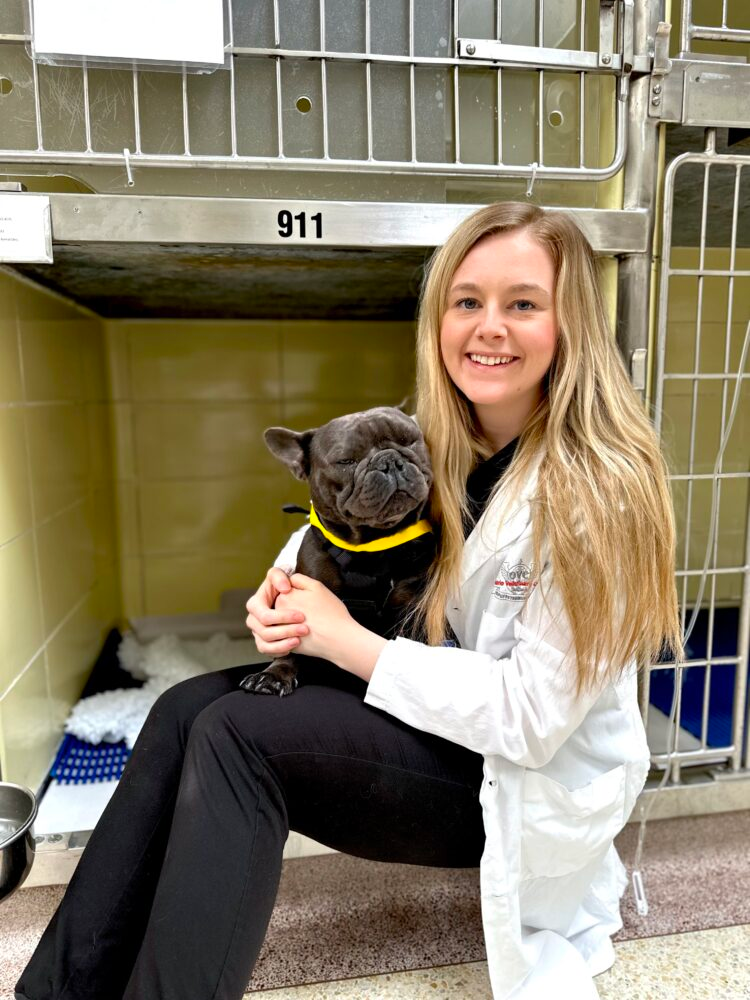
Dr. Makayla Farrell co-leads study investigating quality of life for dogs after surgery
Common among these dogs is a condition known as brachycephalic obstructive airway syndrome (BOAS). BOAS affects their ability to breathe properly and leads to a range of symptoms: difficulty exercising, sleep apnea, heat stroke, digestive issues such as gastroesophageal reflux and life-threatening respiratory distress.
Surgery to treat BOAS involves carefully removing excess soft tissue from the dog's airway. This typically allows dogs to breathe more easily, engage in physical activity and sleep more soundly.
But the success of BOAS surgery has been historically measured subjectively. While owner surveys, follow-up phone calls or clinical exams are helpful, these methods often fall short, as many owners become accustomed to their dog's breathing struggles and may not recognize the extent of their suffering.
OVC researchers are gathering consistent, measurable data to better understand how well the surgery works and provide clearer answers for pet owners and veterinarians.
Dr. Ameet Singh, a University of Guelph professor in the Department of Clinical Studies, along with Dr. Makayla Farrell, a small animal surgery resident, are exploring how a surgical treatment for BOAS impacts a dog's quality of life.
Wearable technology in veterinary medicine
Funded by OVC Pet Trust, their study uses FitBark devices, small, lightweight sensors that function much like fitness trackers to track movement and rest patterns.
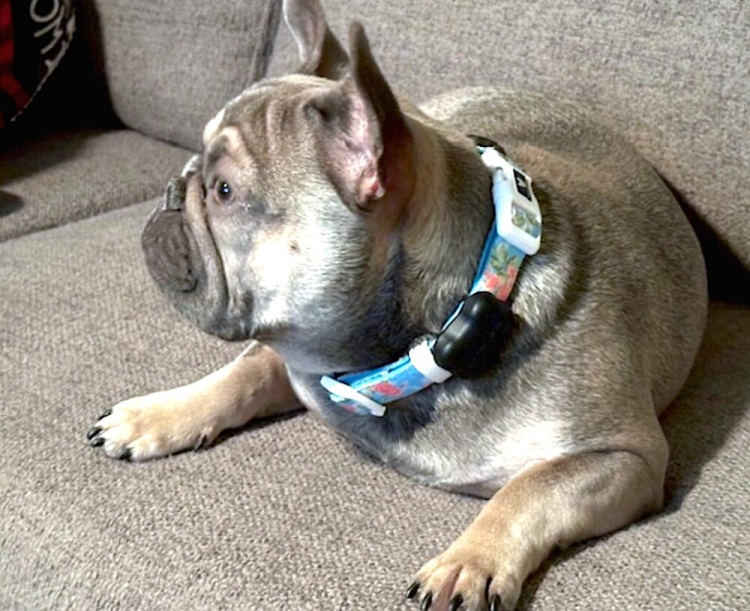
Dogs wear smart collars as part of OVC study tracking movement and rest
Dogs wear the FitBark for at least two weeks before surgery, during their four-week recovery period, and again for two weeks after they've returned to usual activity, giving researchers quantitative data on the dog's activity and sleep quality throughout their journey.
"The goal is to track improvements in both activity and rest, which are widely recognized in human medicine as quality-of-life markers," Farrell explains.
"Using accelerometers, like the FitBark, lets us quantify how much a dog moves and how well they sleep, without relying solely on the owner's interpretation. We're hoping to establish an objective, accessible way to assess outcomes after BOAS surgery."
The implications of this research go beyond just one breed or one procedure.
By demonstrating the value of wearable devices in monitoring recovery and wellbeing, this trial could pave the way for broader use of accelerometry in veterinary medicine, especially in assessing chronic disease and treatment response.
"Ultimately, we're hoping to build a toolkit to better evaluate surgical outcomes," Farrell says. "In future studies, this could help us assess new surgical techniques or even explore translational applications in human medicine."
Though the data collection is still ongoing, the team plans to publish their findings in late 2026 or early 2027.
Science-backed solutions for pets, underway at OVC
For Farrell, this trial is more than just a research project. It's an opportunity to combine her passion for surgery with her curiosity for clinical innovation.
Her experience at OVC has not only sharpened her technical skills but also opened the door to interdisciplinary research.
"There are so many exciting projects underway, and it's incredibly rewarding to contribute to work that directly improves animal welfare."
The importance of this work is underscored by the growing public concern for brachycephalic breed welfare.
"In 2024, French bulldogs were ranked the number one most popular dog breed by the American Kennel Club," says Farrell. "Their popularity continues to rise despite growing awareness of the health concerns tied to their anatomy."
The need for veterinary professionals who can offer meaningful, science-backed solutions also continues to soar.
"People love these dogs," Farrell reflects. "And they deserve to live full, happy and healthy lives. If we can help give them that if we can help them breathe easier that's everything."