

Burning plastic to cook food, heat homes and dispose of trash is more common than many people realize, according to a recent international study led by University of Calgary researchers.
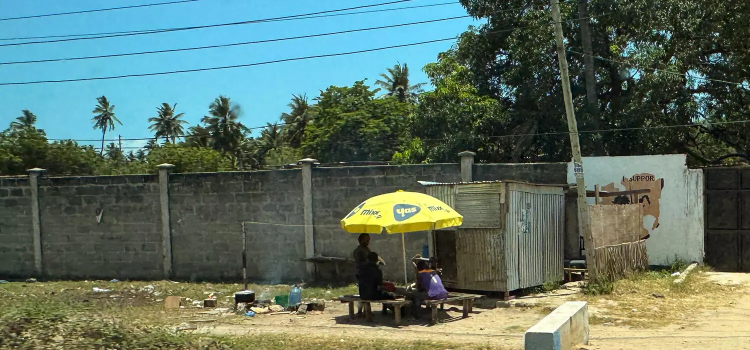
A littered cooking area in Dar es Salaam, Tanzania, where limited access to waste services and clean fuel is part of daily life. Photo courtesy of Ian Gates
The study, among the first of its kind and published in Nature Communications, surveyed more than 1,000 people who work closely with low- and middle-income communities in 26 countries across Asia, Africa and Latin America.
One third reported knowing someone who burns plastic, and 15 per cent said they've done so themselves. The findings are "surprising and alarming," given who the respondents were, says Schulich School of Engineering research associate and lead author Dr. Bishal Bharadwaj, PhD.
"After working for more than two decades on energy poverty and plastic pollution, I realized people are burning plastic waste as fuel to meet energy needs and manage waste," says Bharadwaj, who adds that, while there was anecdotal evidence of the practice, it wasn't enough to increase awareness on the issue, so "it was critical to undertake this study to better understand the situation."
Why understanding the risk matters
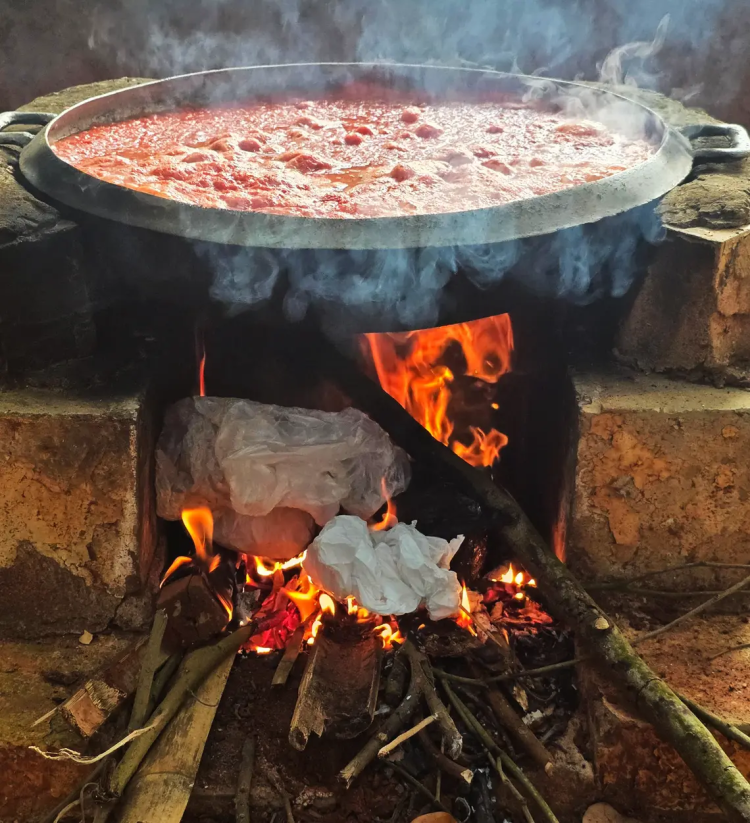
An example of plastic and biomass being burned as fuel in a stone stove in Nsukka, Nigeria. Photo courtesy Chizoba Obianuju Oranu, University of Nigeria, Nsukka
Plastics can contain thousands of chemicals of concern to human health, according to a 2025 study cited in the UCalgary-led research, which found families were burning bags, wrappers, bottles and packaging putting them at risk of exposure to dangerous compounds.
"Burning plastic waste as fuel exposes households to toxic emissions, potentially leading to a range of adverse health consequences," says Bharadwaj. This can include reproductive, neurodevelopmental, immune and metabolic disorders, according to a study from the National Library of Medicine.
The UCalgary study authors say more research is needed to measure emissions and exposure, so communities and policymakers can act with confidence.
Bharadwaj says the practice of burning plastic waste previously flew under the radar due to its concentration in low-income settings where "poverty is persistent, waste collection is inadequate and deprivation is widespread."
A human story of survival
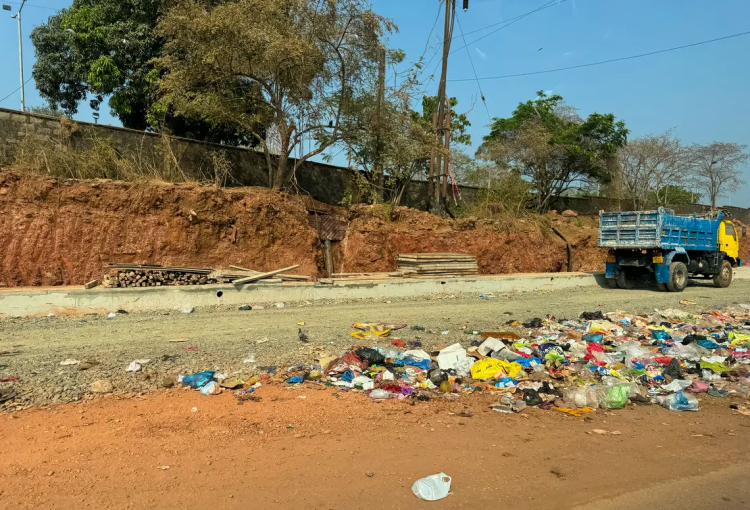
Plastic waste scattered along a roadside in Goa, India, highlighting challenges with local waste management. Photo courtesy of Ian Gates
With roughly six in 10 respondents reporting they think it was extremely likely that toxic chemicals from burning plastic waste could contaminate their food and water, the findings reveal a resilience that should not require families to trade long-term health just to cook food and keep warm, says Tara Gates, BA'21, second author and PhD candidate in UCalgary's School of Architecture, Planning and Landscape.
"This practice demonstrates the human drive for survival, even if that means burning plastic waste to feed your family or heat your home," Tara Gates says.
The study spans social, environmental and gender science, public health, engineering, economics, and policymaking because the problem crosses all those lines. That collaboration matches the scale of the challenge, says senior author, Dr. Ian Gates, BSc (Eng)'90, PhD, professor in the Schulich School and associate vice-president research (innovation).
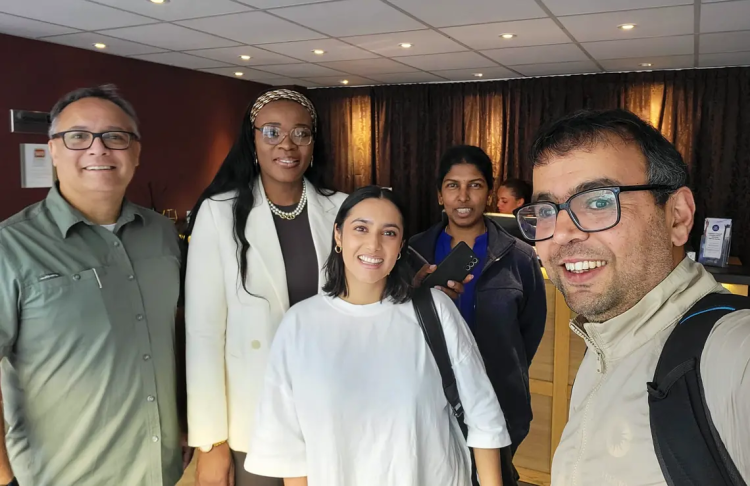
From left: Ian Gates, Chizoba Obianuju Oranu (University of Nigeria, Nsukka), Tara Gates, Ranjani Kannaiyan (UCalgary), and Bishal Bharadwaj at a Sustainable Energy Transitions Initiative meeting. Photo courtesy Bishal Bharadwaj
"We need to understand and mitigate the harms of plastic burning, given its growth and health impacts," he says, adding this project demonstrates that solutions for global challenges "are not founded on one domain of expertise, but all of them, acting at the same time, all important." Dr. Gates is also the director of the Global Research Initiative for Sustainable Low-Carbon Unconventional Resources.
What's next
While Bharadwaj says safer burning practices like cooking outside, increasing airflow and cleaning plastic before burning can be done immediately to reduce potential harm, he also says long-term change depends on improved access to clean cooking and waste-management infrastructure.
He adds without reliable systems that fit local needs and budgets, policies like banning the practice can unintentionally push families toward more domestic burning.
The team says this work is only the start, having already published a second study on plastic and garbage burning in northwest Nigeria in Energy Research & Social Science, reinforcing the scope of the matter.
Thanks to funding from the Environment for Development's Sustainable Energy Transitions Initiative, the project's next phase will expand the fieldwork to three African nations, adding to UCalgary's commitment to excellence and leadership in sustainability research.