

One may be surprised to learn that seven-time Olympic medallist Simone Biles has ADHD. Or that three-time Olympic gold medallist rower Chris Morgan is autistic. Often considered an invisible disability, neurodiversity can often benefit athletes at all levels, from weekend warriors to Olympic champions. But research on the benefits of physical activity and sport for neurodiverse people, especially women and girls, is severely lacking.
A research mission to close the movement gap
Using a biopsychosocial approach one that considers biological, psychological, and social factors Dr. Laura St. John, PhD, is exploring ways to improve the health and quality of life of neurodiverse girls and women, especially through physical activity. Her focus is on women and girls with autism, ADHD, and intellectual disabilities.
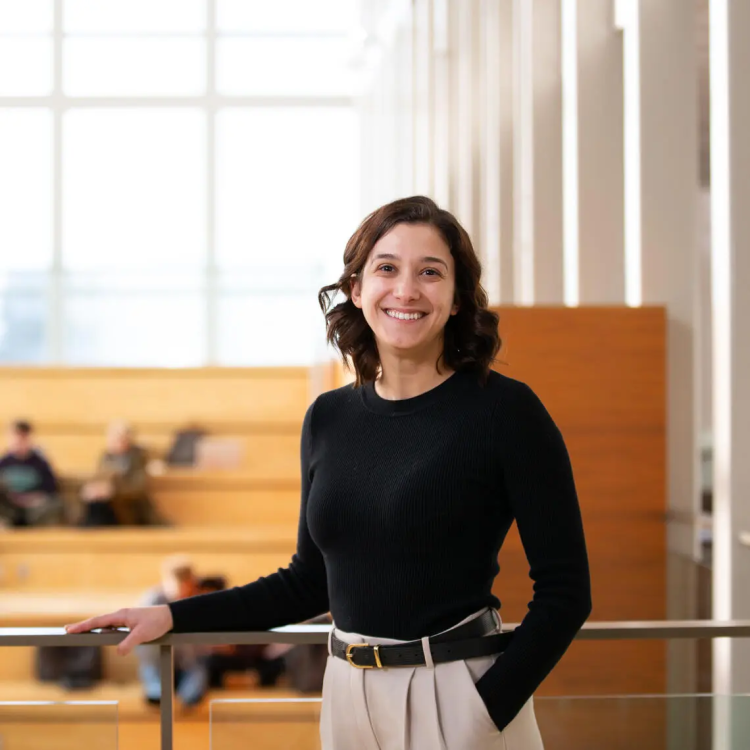
Laura St. John, the Azrieli Accelerator Assistant Professor in Exercise and Health Research for Neurodiverse Women & Girls in the Faculty of Kinesiology. Photo Courtesy Laura St. John
"My interest in neurodiverse populations began in high school with an inclusive physical education course," explains St. John, the Azrieli Accelerator Assistant Professor in Exercise and Health Research for Neurodiverse Women & Girls in the Faculty of Kinesiology. "The course revealed the limited support for physical activity for individuals with complex support needs. This experience, combined with my ongoing involvement as a coach with Special Olympics, shaped my research."
According to St. John, neurodiverse women often experience poor health outcomes and lower life expectancy, especially those with intellectual disabilities. These groups tend to have sedentary lifestyles, higher rates of obesity, cholesterol issues, and early onset of Alzheimer's and dementia.
"I'm super motivated by the fact that I just don't think it's acceptable that we have this group of individuals within our society who have such a poor quality of life, and it only gets worse as they age," says St. John. "I really want to figure out the best way to support their health, their physical activity, and move that dial towards longer and more fulfilling life spans."
From Olympic arenas to everyday inclusion
For high-performance athletes, like those we've seen in the 2026 Olympic Winter Games, neurodiversity can be an advantage or a challenge. For people with difficulties in sensory processing, emotional regulation, and adapting to new environments, big events with large crowds in unfamiliar places can be overwhelming. Alternatively, the ability to be hyper-focused and maintain high energy levels can be a benefit for achieving sport excellence. However, a lack of experience and knowledge for coaches working with neurodiverse athletes can be a challenge.
"There isn't a lot of training that coaches get related to supporting neurodiverse athletes and understanding what it means to be neurodiverse," says St. John. "Implementing mandatory education modules for coaches, similar to what's in place for concussion protocols, would improve support and inclusivity for neurodiverse athletes."
Turning inclusive research into real-world movement
Through her Adapted Exercise Sciences Lab, St. John is on a mission to advance physical literacy for people with neurodevelopmental disabilities through participatory research methods, envisioning a world where everyone has equal opportunity to grow, thrive, and flourish.
"We're using an interdisciplinary approach to our research, including inclusive movement interventions like our ice skating program for children with intellectual and developmental disabilities, and biological studies on accelerated aging in neurodiverse populations," she explains. "Our aim is to improve quality of life for neurodiverse individuals through various approaches, combining cellular research with practical interventions."
St. John notes the importance of involving neurodiverse individuals and caregivers throughout the research process to ensure relevance and respect, acknowledging the historical mistreatment of these populations in research and by scientists. Her research lab includes individuals with lived experience, such as Special Olympics athletes, and creates spaces for neurodiverse women and girls to engage in movement and research activities.
St. John's ultimate goal for her research?
"The big goal would be to see more equal opportunity in sport, in physical activity, and for everyone's health to improve. But also, to create space for individuals, and for women and girls who have different support needs, to move and explore movement in a way that works for them, that is fun and enjoyable, and makes them want to keep doing it," she says.
Video Courtesy Cody Coates, Office of the Vice-President (Research)
Laura St. John is a child health and wellness researcher with the Alberta Children's Hospital Research Institute, Owerko Centre.